KELOID REMOVAL
STARTING PRICE: $4,999*
FREE CONSULTATION
"*" indicates required fields
KELOID REMOVAL
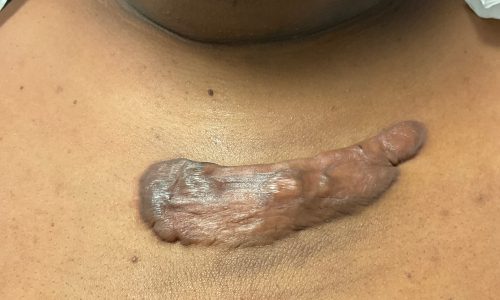
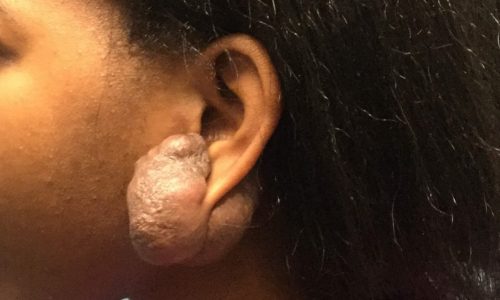
Keloids are a non-dangerous growth on the skin that can cause consistent itching or throbbing pain. Keloids most often develop on the face, shoulders, and chest and can cause significant discomfort, physically and socially. Unlike regular scars, they do not subside over time. Visibly, they are often tough, raised scars that tend to enlarge progressively.
African Americans are also eight times more likely to develop keloids than Caucasians. Some people may experience diminished functioning of the eyes, nose, mouth, or ears due to the development of scar tissue.
Still unsure if you have a keloid? Symptoms of keloid scarring might include:
• Thick, irregular scarring, typically on the earlobes, cheeks, shoulders, or on the chest.
• Shiny, hairless, lumpy, raised skin.
• Varied size and texture (from soft to firm and rubbery).
• Reddish, brown or purplish, depending on your complexion.
• Itchiness and discomfort.
SCAR & KELOID PROCEDURES
Cosmetic and reconstructive surgeon Dr. Michael E. Jones specializes in treating keloids with the combined use of surgery and advanced treatment technology. Dr. Jones understands his patients who struggle with keloids and is a recognized leader in researching effective treatment methods. His advanced keloid removal technique boasts a 95% success rate, ensuring that keloids do not return.
A specialized treatment plan for keloids may include:
• Surgery
• Cryosurgery
• Laser treatment
• Radiation treatments
• Ligature
• Pressure earring, dressing, or garment
• Silicone gel sheets

FREQUENTLY ASKED QUESTIONS
A keloid is a raised, often large, scar that forms at the site of any kind of skin injury, including an insect bite, acne, an injection, body piercing, burns, hair removal, and even minor scratches and bumps. Unlike normal scars, keloids extend beyond the original injury and can continue to grow over time.
Anyone can develop keloids, but they are more common in individuals with darker skin tones, people with a family history of keloids, and individuals between the ages of 10 and 30.
Treatment options include steroid injections, silicone sheets, cryotherapy, laser therapy, pressure dressings, and surgical removal. Most of our patients have their keloids removed with a personalized combination of treatments.
Depending on the size and location of the keloid, keloid removal surgery is performed under local or general anesthesia. The keloid is cut out, and the wound is carefully closed to minimize scarring. Additional treatments, such as steroid injections or radiation therapy, may be used post-surgery to prevent recurrence.
Preventive measures include the use of steroid injections, silicone sheets, pressure dressings, or radiation therapy after surgery. It’s essential to follow your doctor’s post-operative care instructions closely to reduce your risk of reoccurrence or infection.
Yes, but the success rate and risk of recurrence can vary depending on the location of the keloid.
Effectiveness varies by person. Some people experience significant improvement, while others may see their keloids return. Combining surgery with other treatments often yields the best results. Dr. Jones’ technique has over a 90% success rate of nonrecurrence.
Yes, non-surgical options include steroid injections, silicone gel sheets, cryotherapy, laser therapy, and pressure dressings. These treatments may be tried before considering surgery.